Flamenco at Tablao 1911
One hour of dance, song and guitar on the Plaza de Santa Ana stage, with a welcome drink.
Madrid · Barrio de las Letras
The Plaza de Santa Ana tablao that calls itself the world's oldest, with live dance, song and guitar and a welcome drink.
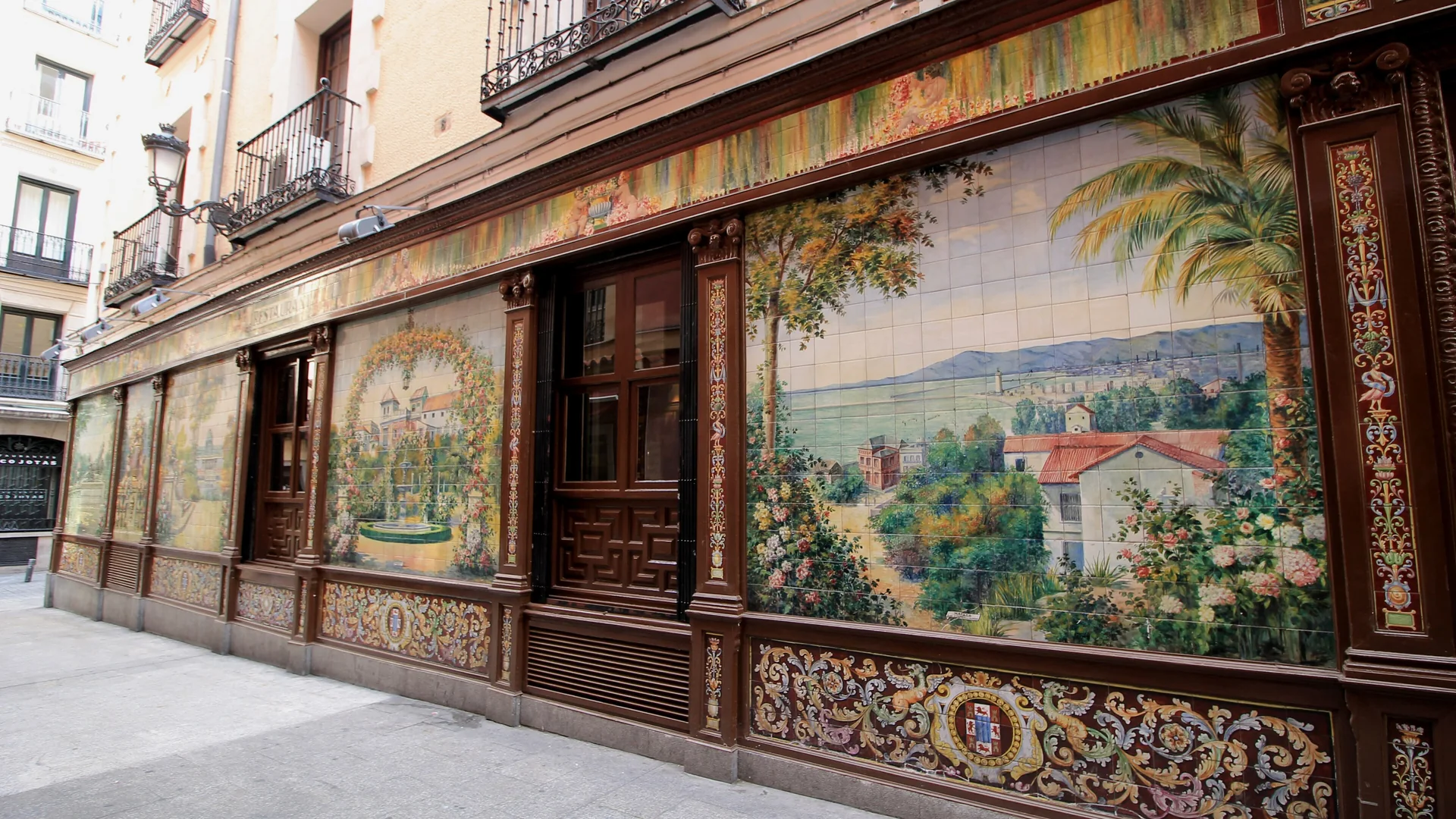
Tiled panels outside, Alhambra-inspired arches inside, and live flamenco between them.
Four facts about the corner
From tapas bar to tablao
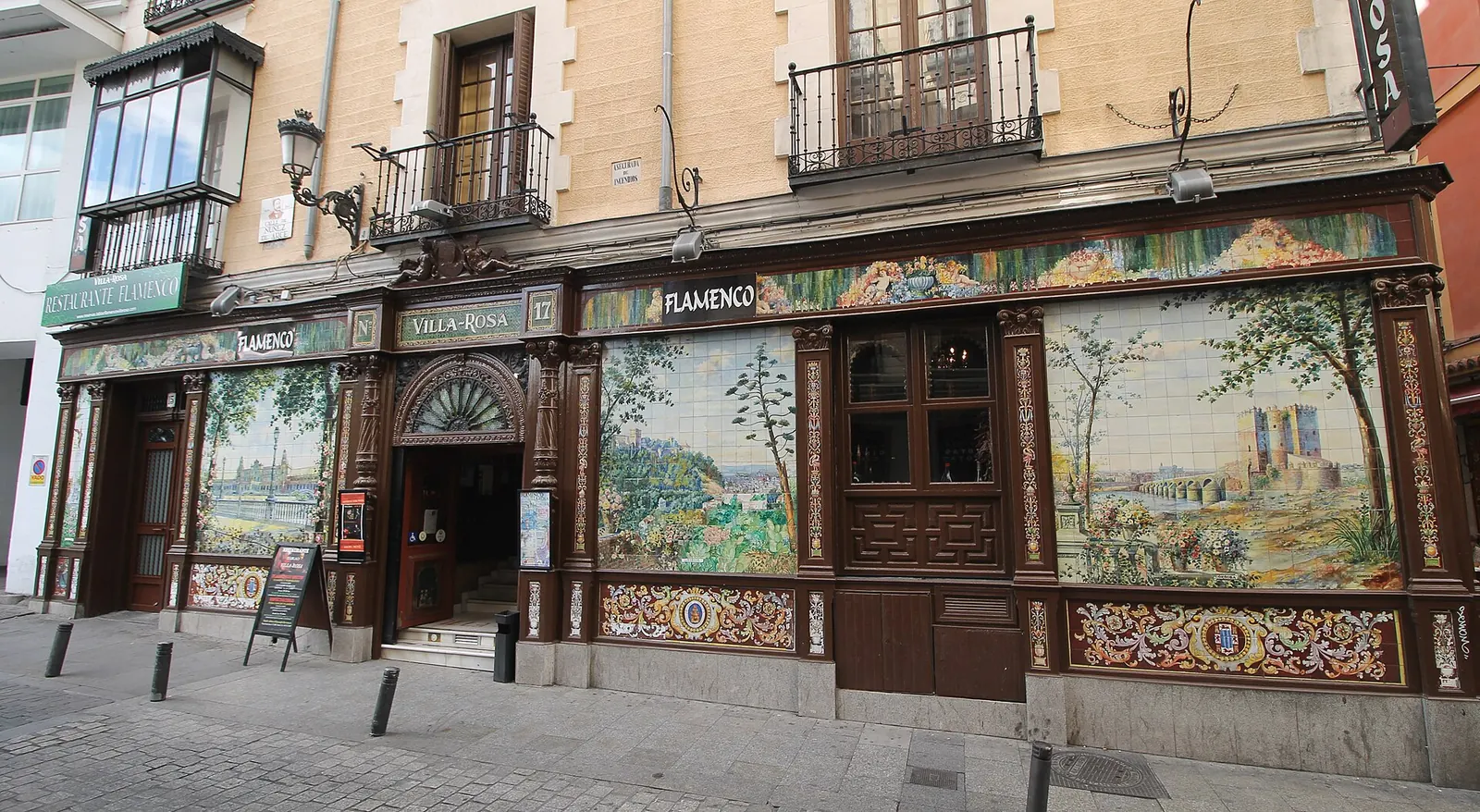
The tablao's history says the corner opened in 1911 as the Gran Colmado, an Andalusian fried-food and tapas bar run by two picadors, Farfán and Céntimo, and a banderillero, Alvaradito. Spanish Wikipedia names the same three men and calls the place a fried-food shop and tasca. The address is Plaza de Santa Ana 15, on the corner of Núñez de Arce and Álvarez Gato streets.
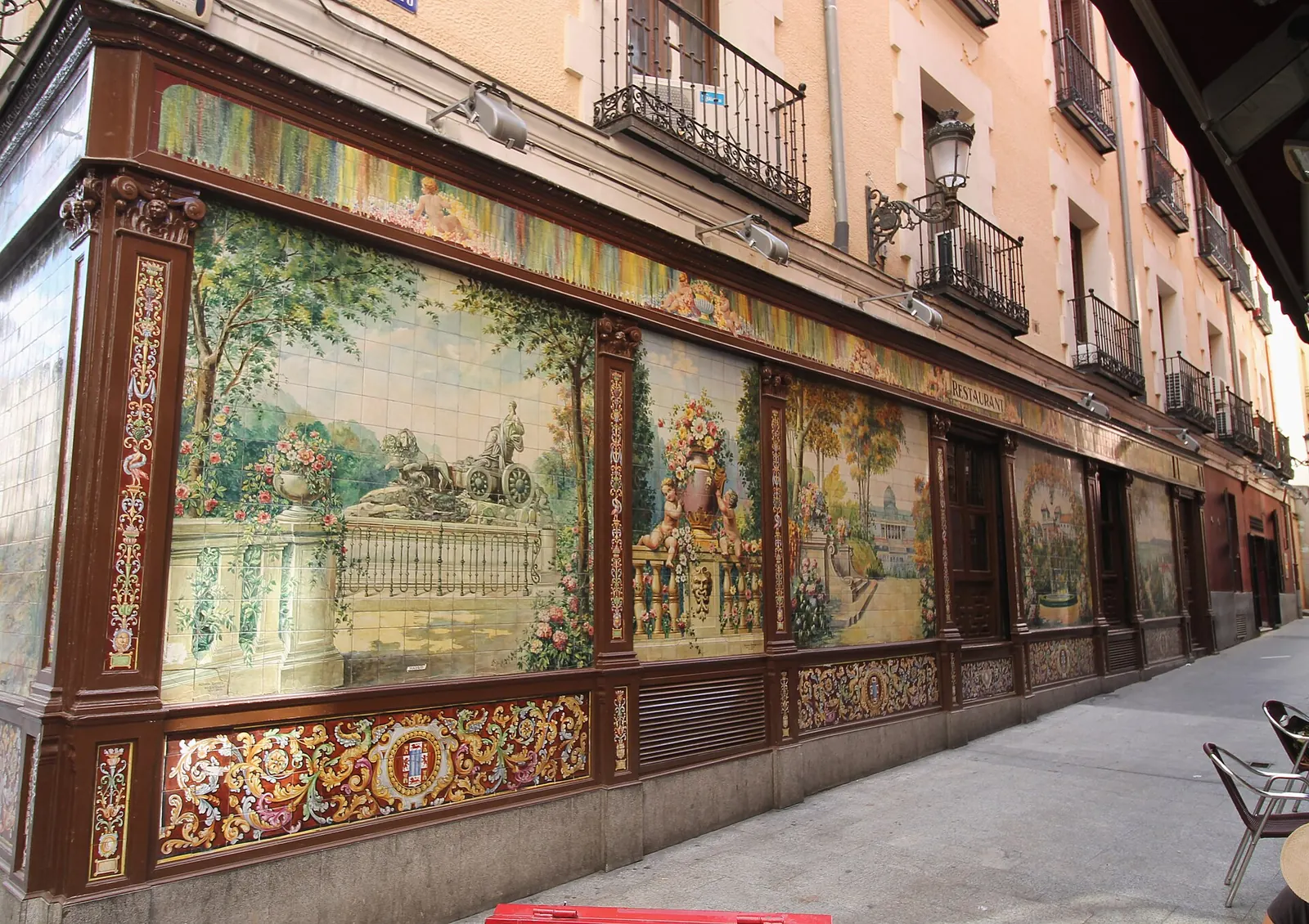
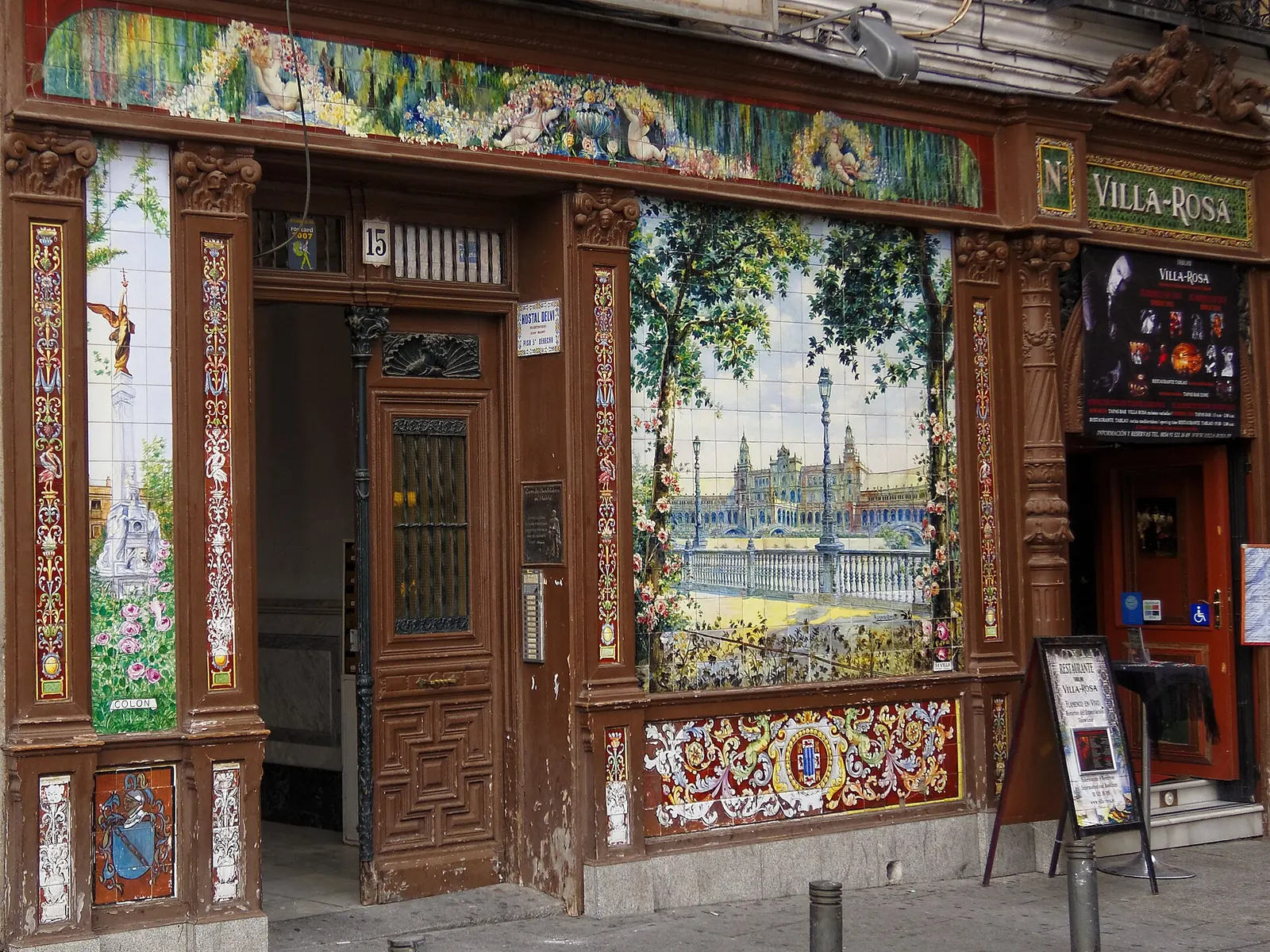
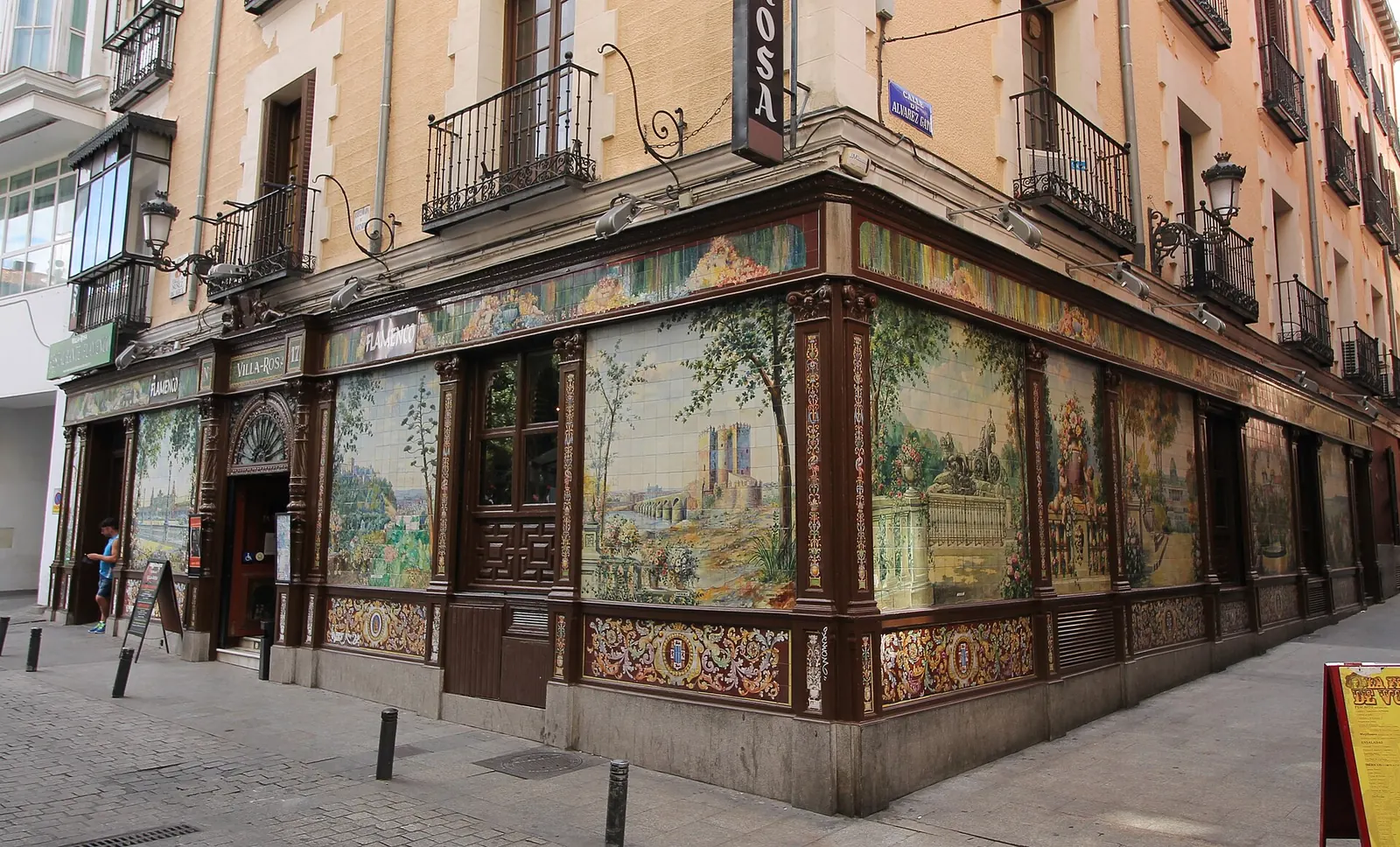
The façade's ceramic panels are credited to the Sevillian artist Alfonso Romero Mesa. The tablao's site dates them to 1917, Madrid's tourism board to 1927, and a flamenco guide to between 1915 and 1920. The sources agree on the artist and on the subject: views of Madrid and of Spain, with bullfighting and flamenco scenes inside.
In 1921, the venue says, the owner signed the Jerez singer Antonio Chacón, who sang there until his death in 1929. The room closed in 1963 and reopened a year later, became a nightclub in the 1980s, returned to flamenco in the 21st century and took its present name in 2022.
Six palos on a tiled wall
A tablao programme strings together palos, the named forms of flamenco, which differ in mood and in how they are counted. The ticket page names soleás, bulerías and tarantas; three more are added below.
Soleá has a twelve-beat count. Wikipedia describes its lyrics as generally serious and solemn and says it probably began among the Calé Romani people of Cádiz or Seville.
Seguiriya belongs to the deep-song group and is counted in twelve beats. Wikipedia quotes a source calling it the most tragic and intensely emotional expression in flamenco.
Wikipedia groups the taranta with the fandango as songs of the mines in Almería province, and says the related taranto was first sung freely, before the guitar added rhythm.
Bulerías run in a twelve-beat cycle and originated, Wikipedia says, among the Calé Romani people of Jerez. They often close a flamenco gathering.
Farruca is in four beats. Wikipedia calls the music austere and sombre and says it was traditionally danced by men, though women have danced it too.
Tangos follow a four-beat cycle. Wikipedia contrasts them and bulerías with the solemn deep forms, calling them faster and festive.
The cast changes every week and the artists choose the programme, so use this as a listening aid, not a running order.
How the hour runs
A short format: arrive, take your drink, listen for an hour, step back onto the plaza.
Look for Tablao Flamenco 1911. Above the door the sign reads Teatro Villarosa. Arrive about fifteen minutes early, as the venue suggests.
The ticket carries one welcome drink. Dinner is not included, so eat before or after.
Dancers, singers and guitarists share the stage for about an hour. The cast of artists changes every week, according to the venue.
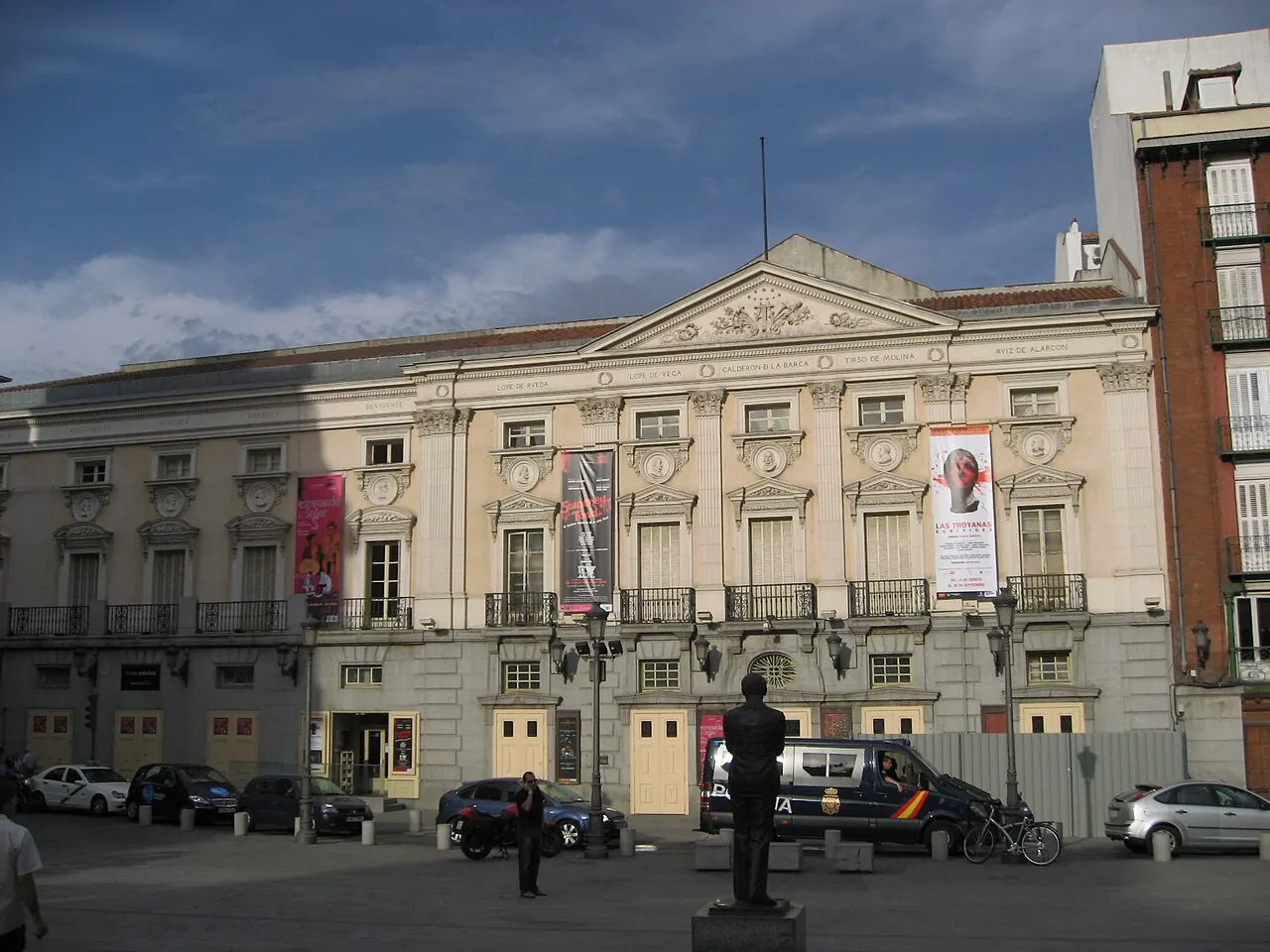
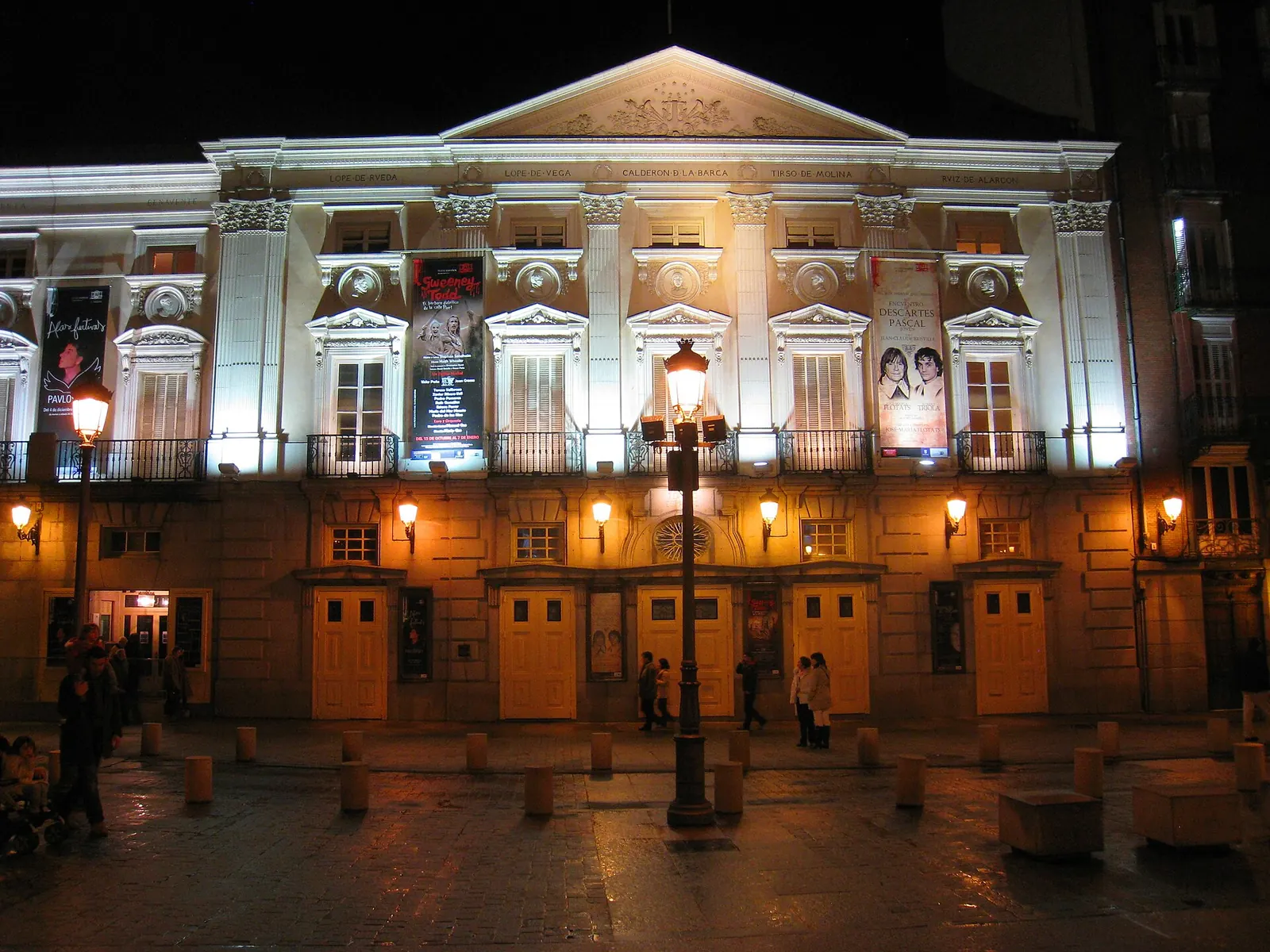
Plaza de Santa Ana is the centre of the Barrio de las Letras, with a theatre on one side and bars all round.
What the ticket covers
Read this before you book. It describes the GetYourGuide ticket only.
One hour of flamenco with dancers, singers and guitarists. The tablao's own site also gives an hour.
One welcome drink is included. Dinner is not. The venue's own FAQ lists sangria, wine, beer and soft drinks.
The seating zone comes with the option you pick. The venue's own site has a floor plan, but only for bookings made there.
Look for the sign that reads Tablao Flamenco 1911. Above the door it reads Teatro Villarosa.
The venue advises turning up around a quarter of an hour early. The session time is on your confirmation.
Flash photography and flashlights are not allowed. The venue allows short videos but not a recording of the whole show.
The ticket is listed as wheelchair accessible. Check with the venue about room for a chair.
Cancel a day or more before the session and the refund is complete; reserving takes no payment.
Tiles, plaza and verse
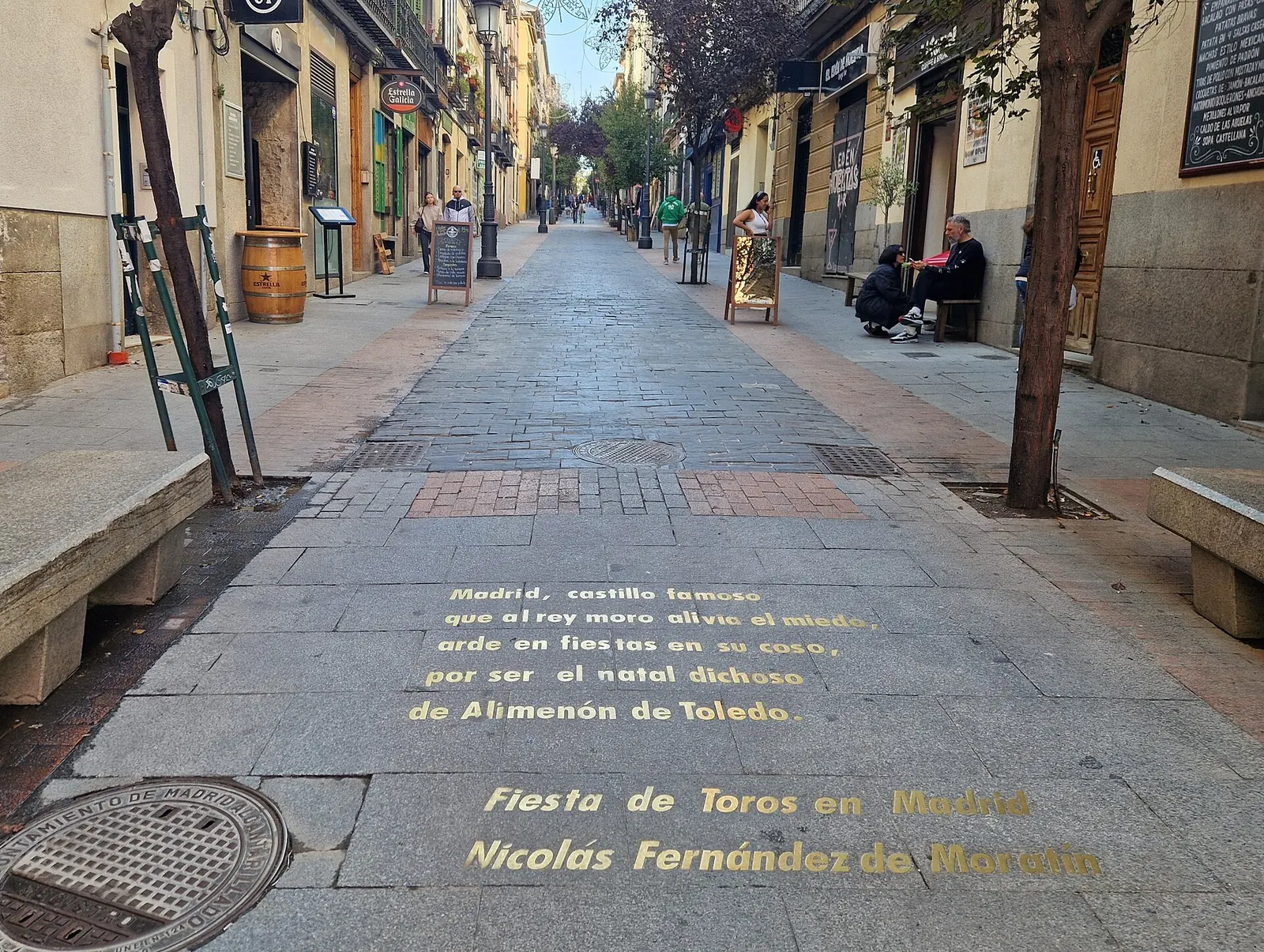
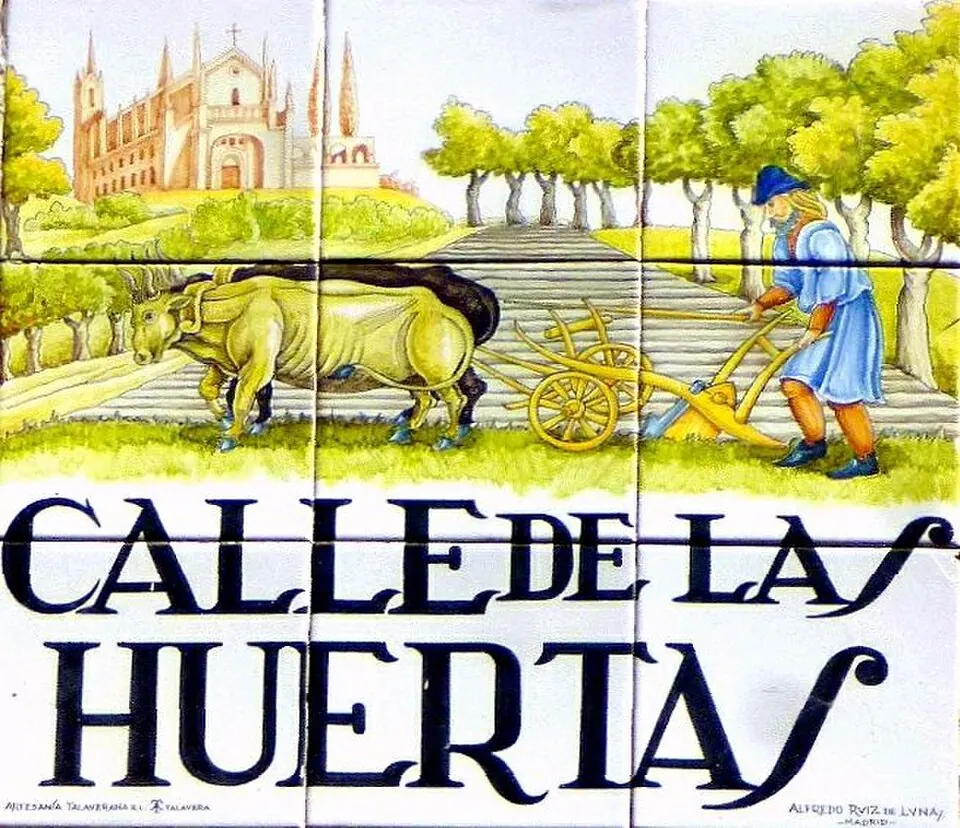
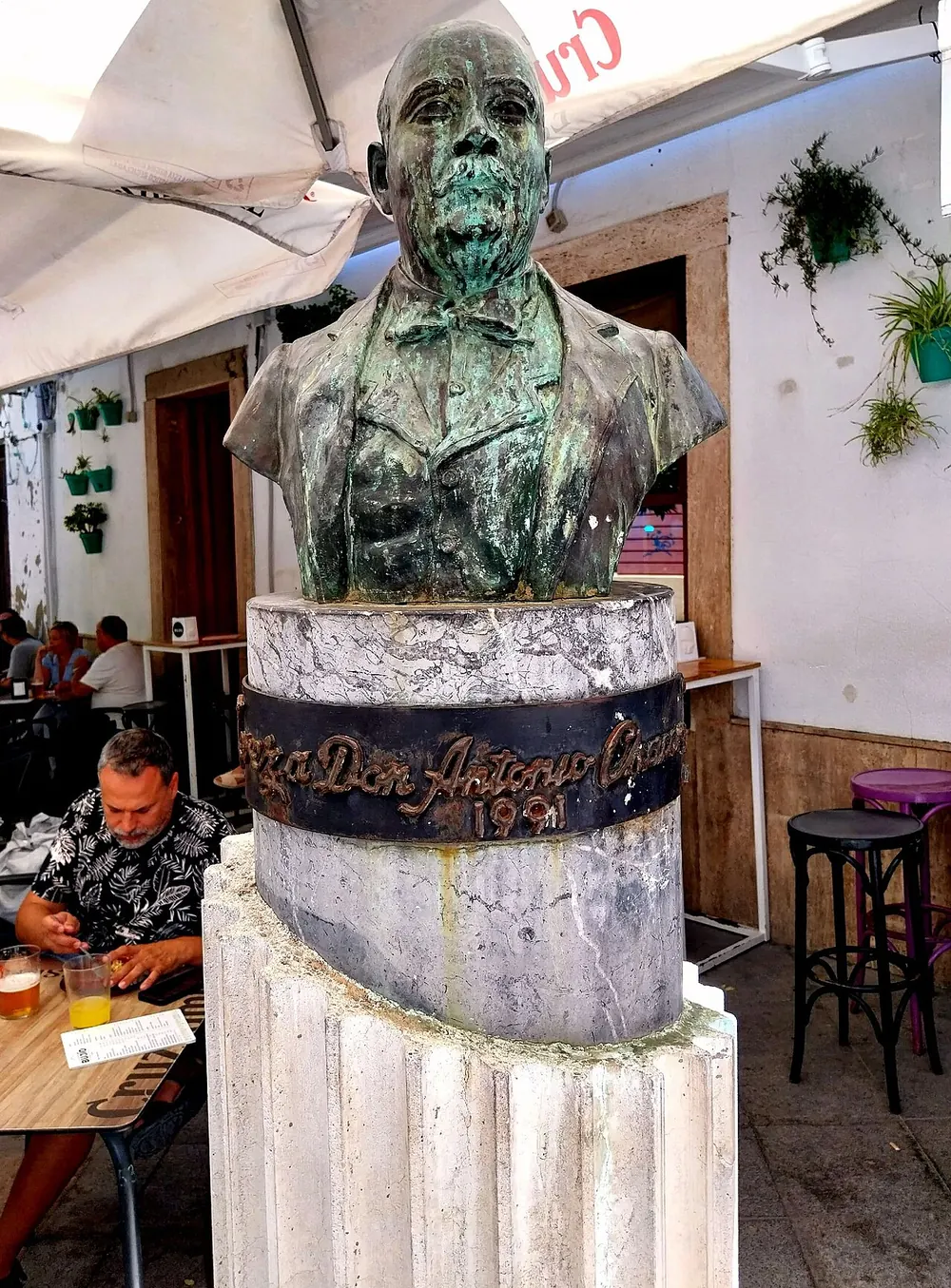
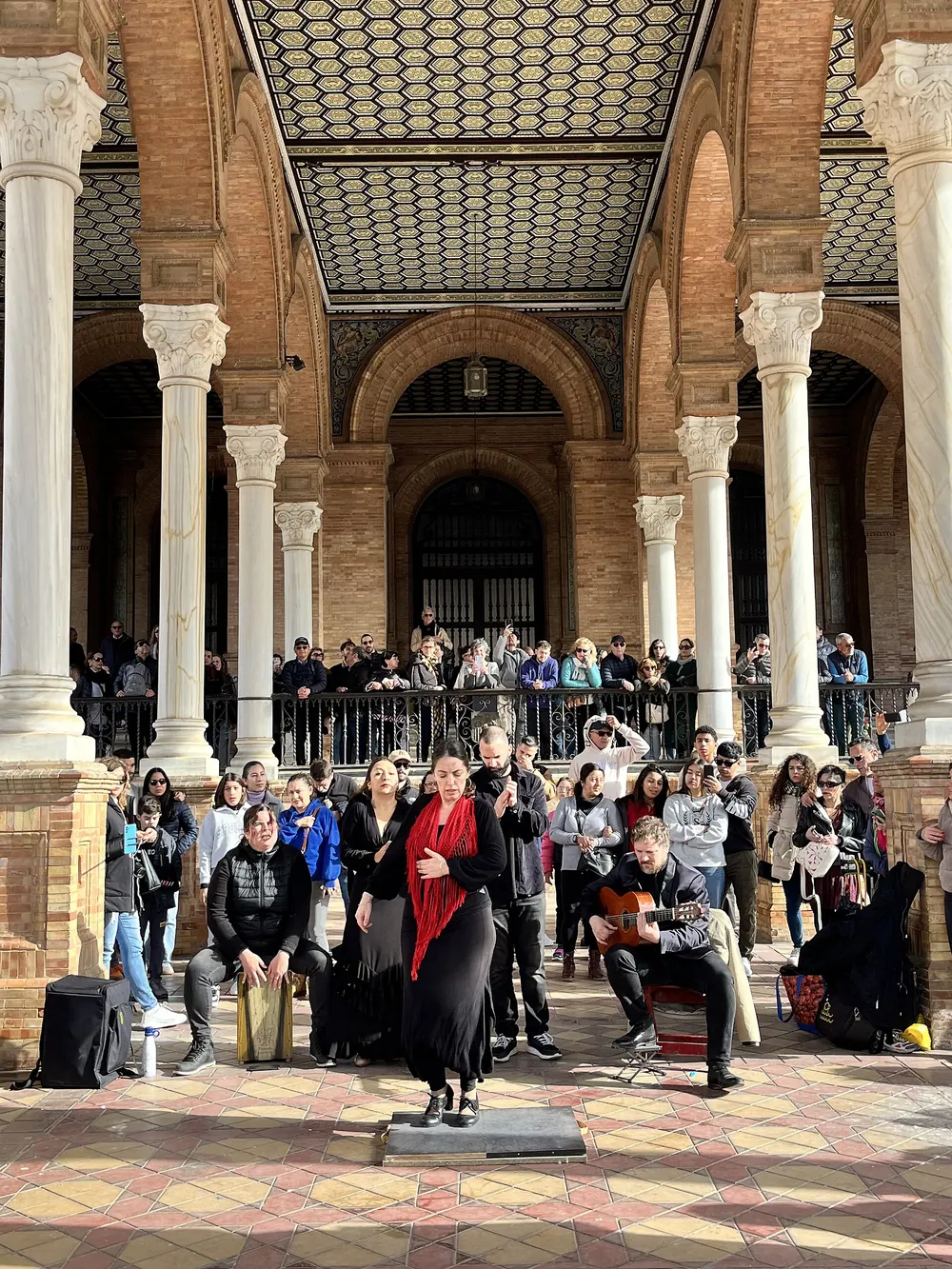
The photographs of the façade show the building at Plaza de Santa Ana 15 when its sign still read Villa Rosa. The others show the plaza and Teatro Español, verse in the pavement of Calle de las Huertas, a Madrid street-name tile, a bust of the singer Antonio Chacón in Jerez and a flamenco dancer in Seville. None of those is inside the tablao.
Three ways to spend a flamenco evening
| Option | Format | Best for |
|---|---|---|
| This ticket: the show plus a welcome drink | An hour of flamenco in the tiled room on Plaza de Santa Ana. | A first flamenco night with some history on the walls |
| A small tablao with a dinner option | About 1.5 hours with one drink, or a meal and two drinks with the dinner option. Pick it on its own booking page. | Anyone who wants dinner and flamenco under one roof |
| Dinner at a restaurant, then a one-hour show | You choose the restaurant and the show separately, so each can be booked, moved or cancelled on its own terms. | Groups with different tastes in food |
Pick your night
Card one is the ticket described on this page. Card two is a second Madrid flamenco evening that offers dinner as an extra. Choose a date on either card to see what is free.
One hour of dance, song and guitar on the Plaza de Santa Ana stage, with a welcome drink.
A show of about 1.5 hours with one drink, or a meal and two drinks with the dinner option.
Elsewhere in Madrid
Before you set out
Plaza de Santa Ana 15, 28012 Madrid. The tablao sits on the corner of Núñez de Arce and Álvarez Gato streets, inside the Barrio de las Letras.
The venue says it is very close to the Sol and Sevilla metro stops and the Sol local-train station. Madrid's tourism board also lists Antón Martín and Tirso de Molina nearby and puts the tablao a three-minute walk from Puerta del Sol.
Aim to reach the door about fifteen minutes before your session. The time is on your confirmation.
On this ticket the seating zone follows the option you pick. There is no table-by-table choice on the GetYourGuide page.
No flash and no flashlights. Short videos are allowed by the venue, not a recording of the whole show. Keep your phone low and quiet.
The ticket brings one drink and no meal. A guide on this site walks through the quarter, which has plenty of tables for a meal before or after.
Guides to Tablao 1911, its façade and its quarter
FAQ
An hour, according to both the booking page and the tablao's own site. The session time is on your confirmation.
One welcome drink. The venue's own FAQ lists sangria, wine, beer and soft drinks as choices. Dinner is not part of the ticket.
That is the venue's own description, counting from 1911, and the tourism board repeats it. Wikipedia says tablao venues developed in the 1960s, so the guide on this site shows the dates and lets you judge.
Not table by table on the GetYourGuide ticket. The seating zone depends on the option you select. The venue's own site shows a floor plan when you book there.
Scenes of Madrid and Spain, according to the venue, including Seville's Plaza de España, Cibeles and the Alhambra. Inside, panels show daily life in Madrid, bullfighting and flamenco.
Villa Rosa is the name it traded under before reopening as Tablao Flamenco 1911 in 2022. Madrid's tourism board still lists it as the former name, and the sign above the door reads Teatro Villarosa.
The venue's FAQ sets out a policy for children up to age twelve, so check the option page when you book. Expect to sit quietly for an hour.
The ticket is listed as wheelchair accessible. Check with the venue about room for a chair.
Fares vary with the date and the seating option. Pick a night and the fare appears in your own currency.